The journey of an impact evaluation project.
Socio-economic integration of refugees in Uganda
This photo story takes you through the journey of a Randomised Controlled Trial (RCT) we carried out in Uganda, from its early design and planning stages, through the implementation of the intervention, to its final impact.
Our evaluation focused on supporting urban refugees by officially certifying their professional skills and matching them with local firms for short-term work internships. We set out to understand whether this type of programme could improve employment outcomes for refugees, shift firms’ attitudes and willingness to hire refugees in the future, and promote social cohesion between refugees and host community members.
All photographs and video were captured by Mariajose Silva-Vargas, one of the researchers behind the project and photographer. The full papers and authors can be found here.
Our evaluation focused on supporting urban refugees by officially certifying their professional skills and matching them with local firms for short-term work internships. We set out to understand whether this type of programme could improve employment outcomes for refugees, shift firms’ attitudes and willingness to hire refugees in the future, and promote social cohesion between refugees and host community members.
All photographs and video were captured by Mariajose Silva-Vargas, one of the researchers behind the project and photographer. The full papers and authors can be found here.
Phase 1: The Planning
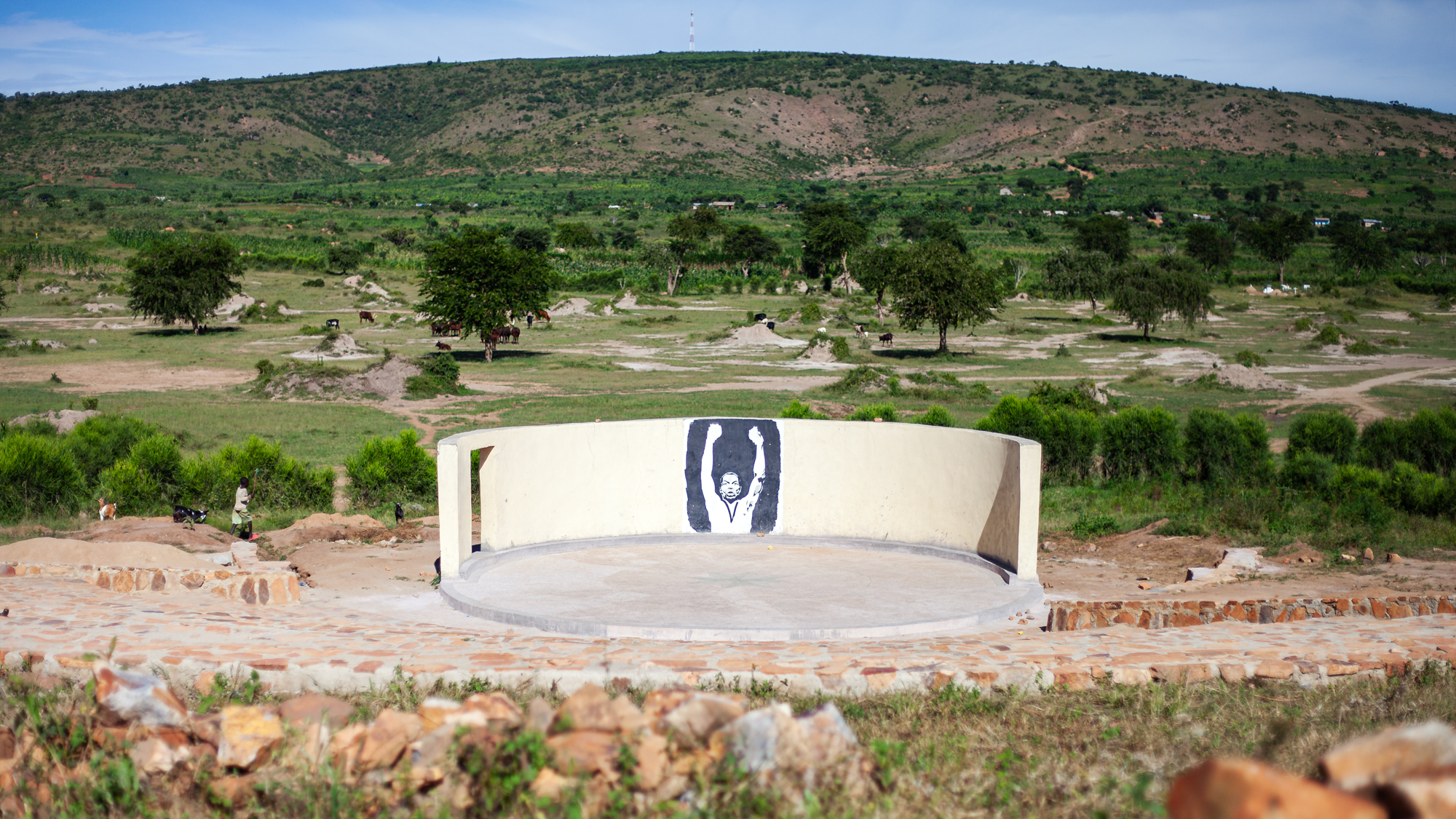
Nakivale Refugee Settlement, 2019
Our first step in designing the study was to understand the diverse experiences of refugees in Uganda, especially the differences between those living in rural settlements and those in cities. Refugees in settlements like Nakivale often have access to a piece of land and basic services, but are isolated from economic networks and mobility. In contrast, urban refugees face challenges around informality, legal barriers, and social discrimination.
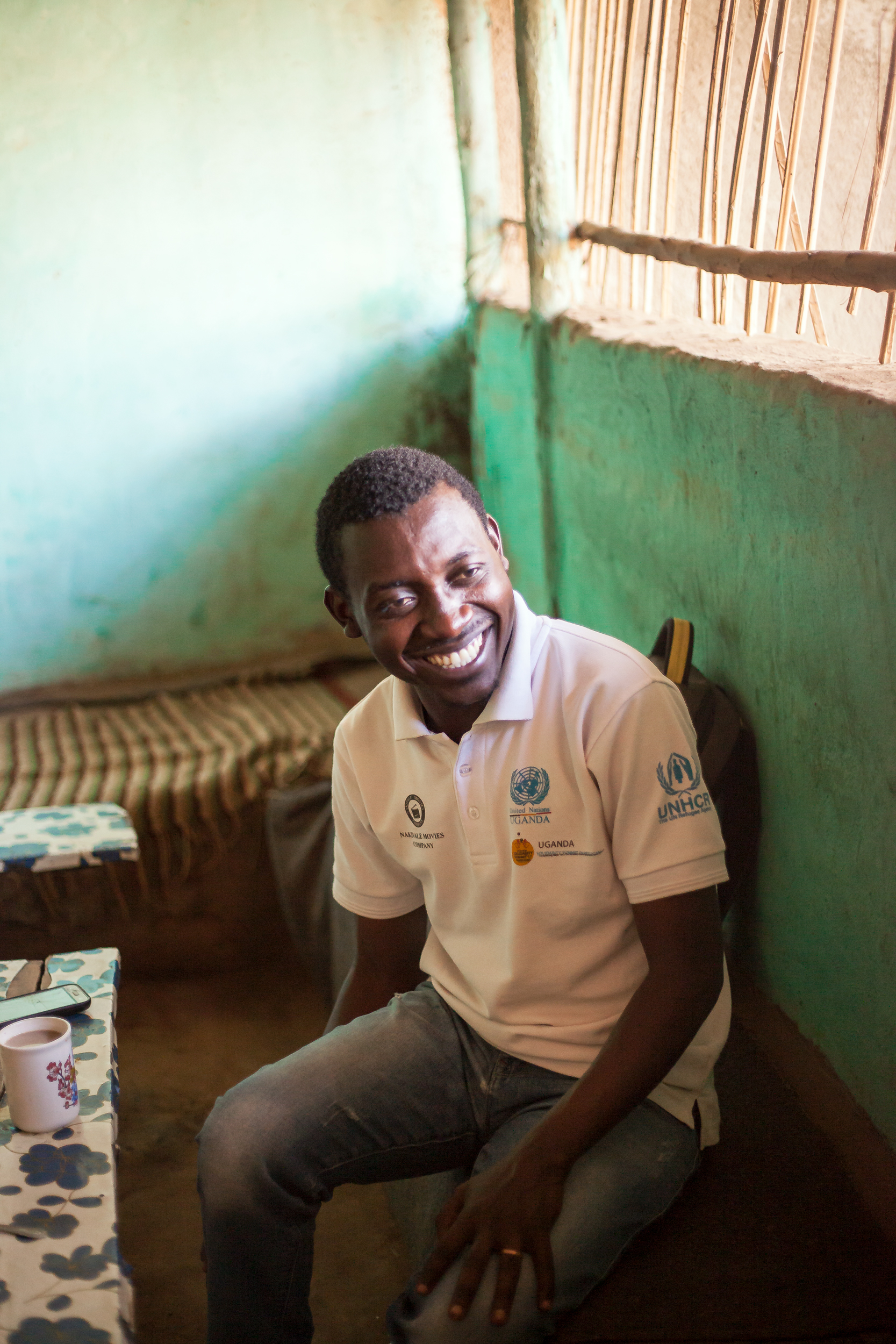
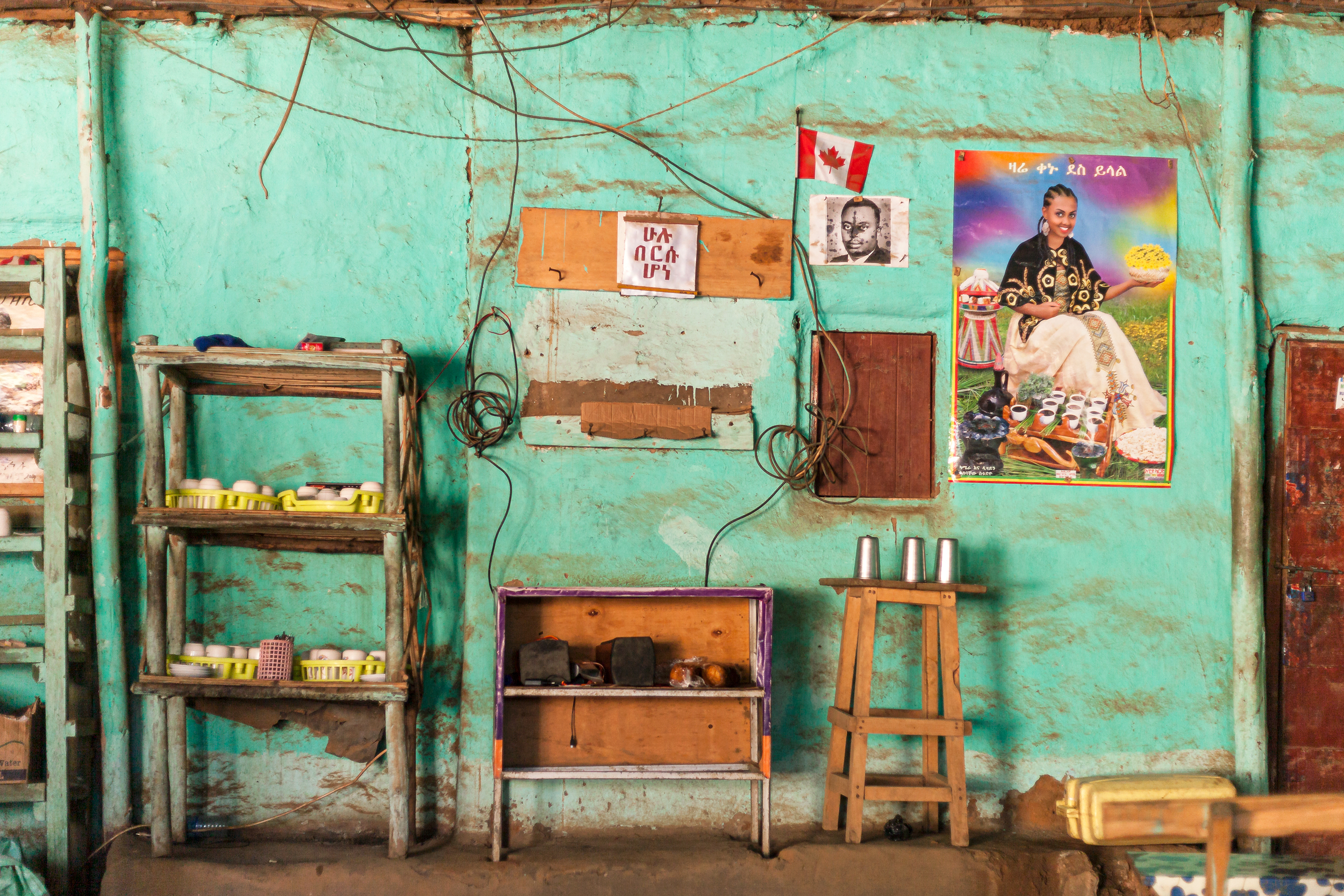
During an early scoping visit to Nakivale, we met individuals and organisations who had developed self-reliant livelihoods through farming, trading, and craftwork like Adonis from YAREN. While many had built strong economic networks within the settlement, they remained disconnected from formal employment systems, and few local firms operated in or near the area. These visits helped us gain a deeper understanding of the wider landscape of refugee livelihoods in Uganda. Given our limited budget (a common constraint for project implementers) we had to concentrate our efforts in one specific geographic area. We chose to focus on urban settings like Kampala, where we believed our labour market intervention could have a more immediate and scalable impact.
From there, we moved into deeper design and preparation. We conducted focus group discussions, collected descriptive data, and identified key constraints that our intervention could address. Crucially, we collaborated with refugee-led organisations in Kampala such as Young African Refugees for Integral Development (YARID) and Bondeko Refugee Livelihoods Center. Their deep understanding of the refugee experience and the communities they serve helped us shape a programme that was not only feasible, but meaningful.
From there, we moved into deeper design and preparation. We conducted focus group discussions, collected descriptive data, and identified key constraints that our intervention could address. Crucially, we collaborated with refugee-led organisations in Kampala such as Young African Refugees for Integral Development (YARID) and Bondeko Refugee Livelihoods Center. Their deep understanding of the refugee experience and the communities they serve helped us shape a programme that was not only feasible, but meaningful.


Paul (left), founder of Bondeko, and Elvis, a Ugandan team member, partnered with the research team during the RCT design phase. Their local knowledge was vital to shaping a refugee-led employment intervention
In particular, our work with Bondeko, an organisation founded by Paul Kithima, a refugee from the Democratic Republic of Congo, helped us build strong community ties. Bondeko supports refugees through initiatives such as urban farming, crafts, and energy production, and actively promotes social cohesion between refugees and Ugandan host communities. With input from Paul and Elvis Zani, a Ugandan member of the team, we designed the evaluation and recruited participants in ways that reflected the lived realities of the people we hoped to reach.
Our partnership with Bondeko and YARID directly inspired the intervention itself. Their work across both refugee and host communities showed us the potential of combining economic inclusion with social cohesion. Bondeko’s story is also featured in the short documentary we shot during our time with them.
Our partnership with Bondeko and YARID directly inspired the intervention itself. Their work across both refugee and host communities showed us the potential of combining economic inclusion with social cohesion. Bondeko’s story is also featured in the short documentary we shot during our time with them.
Bondeko’s story is also featured in this short documentary that we shot as part of our research project
Phase 2: The Intervention Design
Following the planning phase, we focused on a set of labour market challenges that many refugees face: limited access to formal employment, difficulty connecting with employers, and the lack of credible and certifiable ways to demonstrate their skills.
As part of our intervention, we invited refugee workers to take part in a formal certification process for their existing professional skills. In April 2021, a total of 977 participants were invited to sit for practical exams administered by the Directorate of Industrial Training (DIT) of the Ugandan Government, in collaboration with a vocational institute in Kampala.
As part of our intervention, we invited refugee workers to take part in a formal certification process for their existing professional skills. In April 2021, a total of 977 participants were invited to sit for practical exams administered by the Directorate of Industrial Training (DIT) of the Ugandan Government, in collaboration with a vocational institute in Kampala.
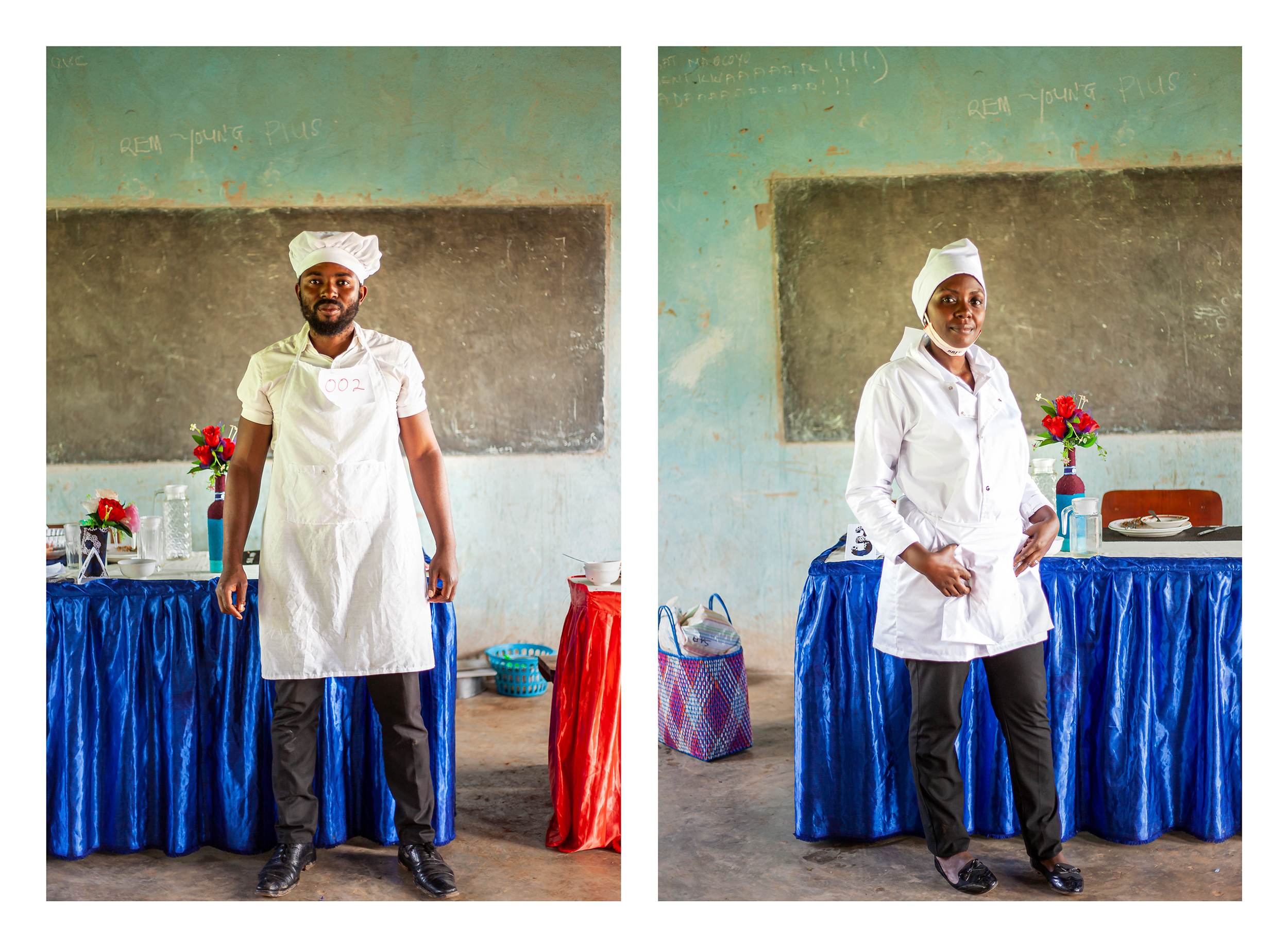
As part of the intervention, refugees undertook formal skills tests, like the participants posing in the picture, who took a cooking exam
These exams assessed hands-on skills specific to each trade: hairdressers were asked to style a client’s hair, chefs cooked traditional dishes such as beef stew, and tailors sewed garments like short-sleeved shirts.
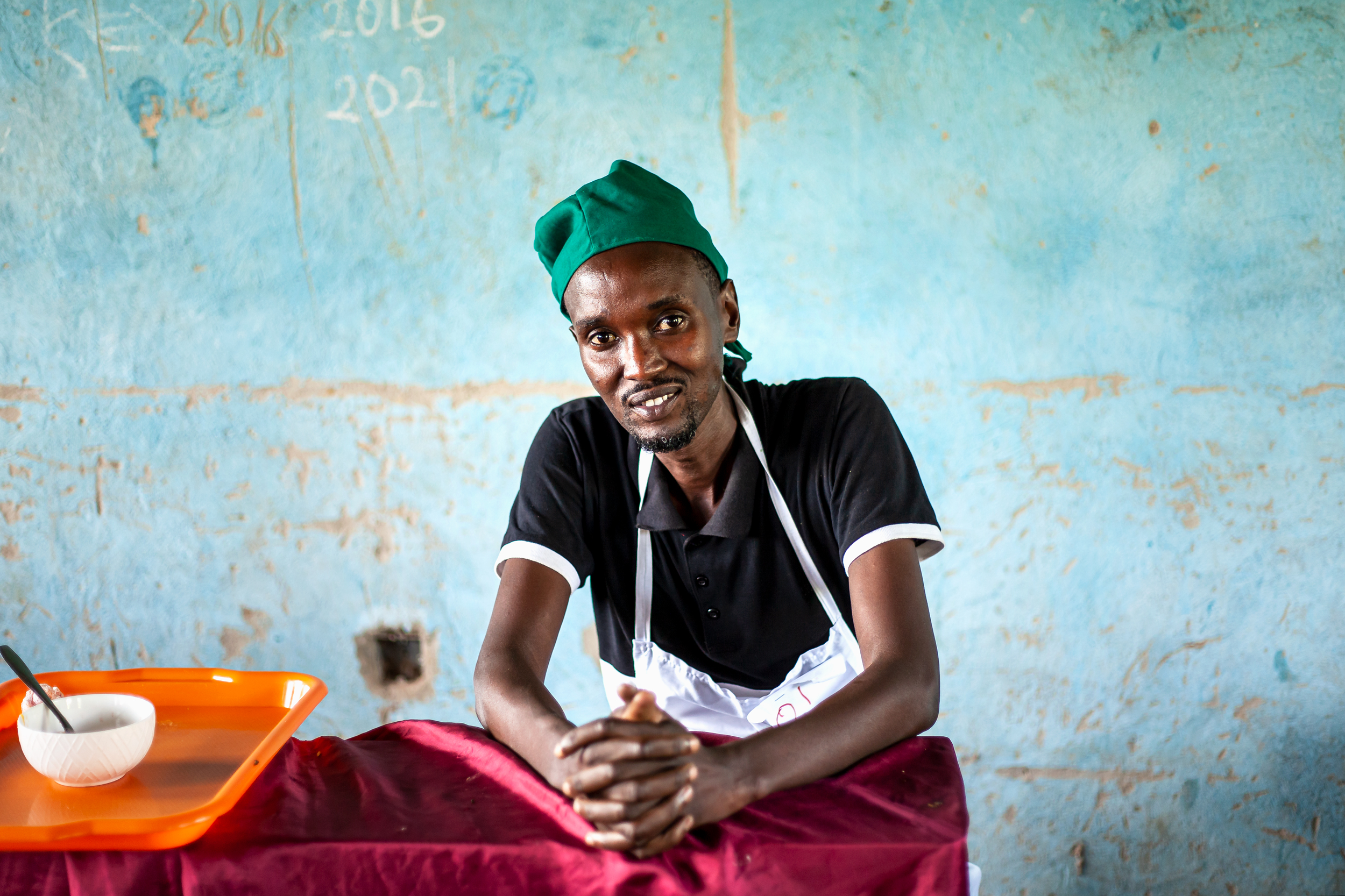
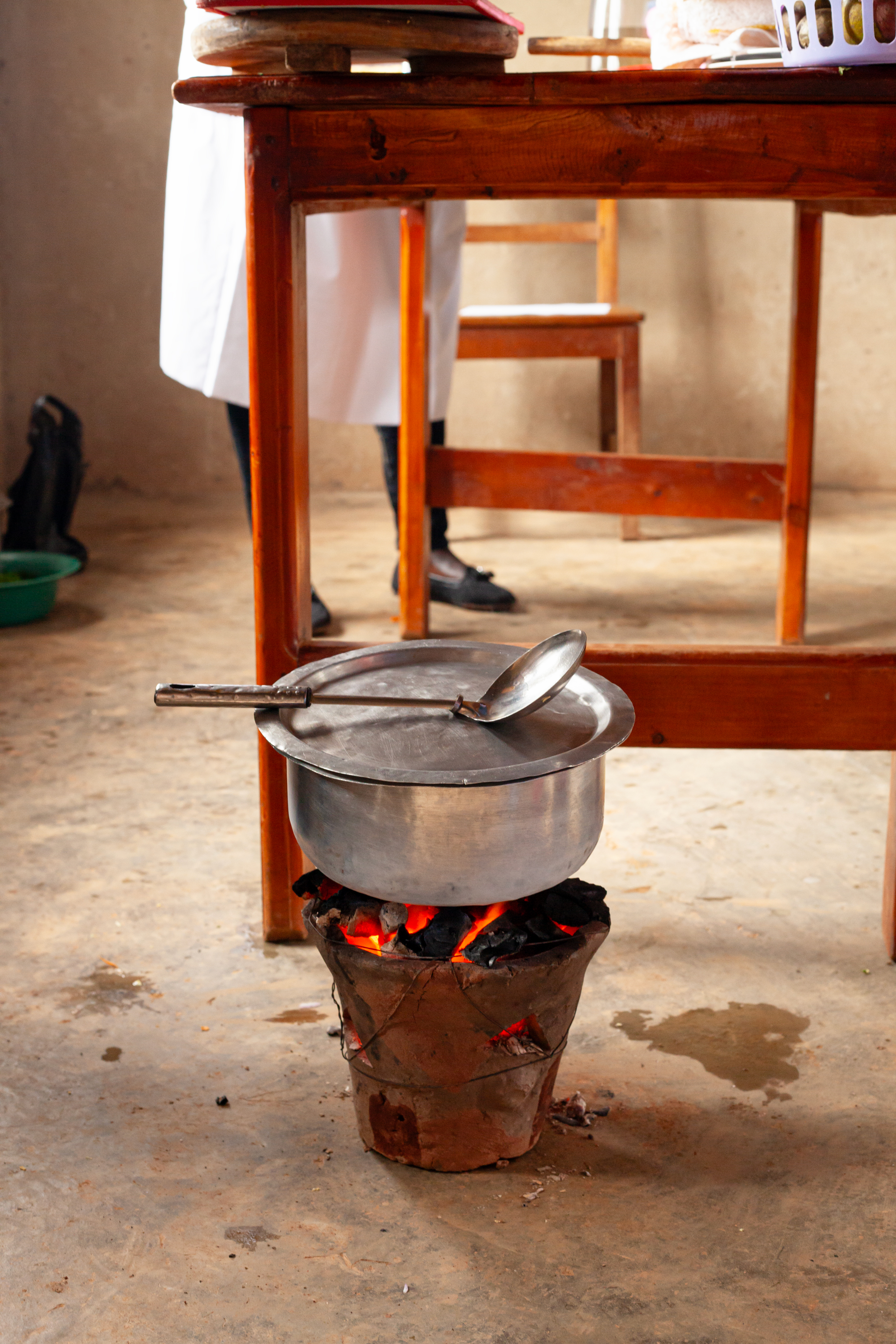

More details on the cooking skills test
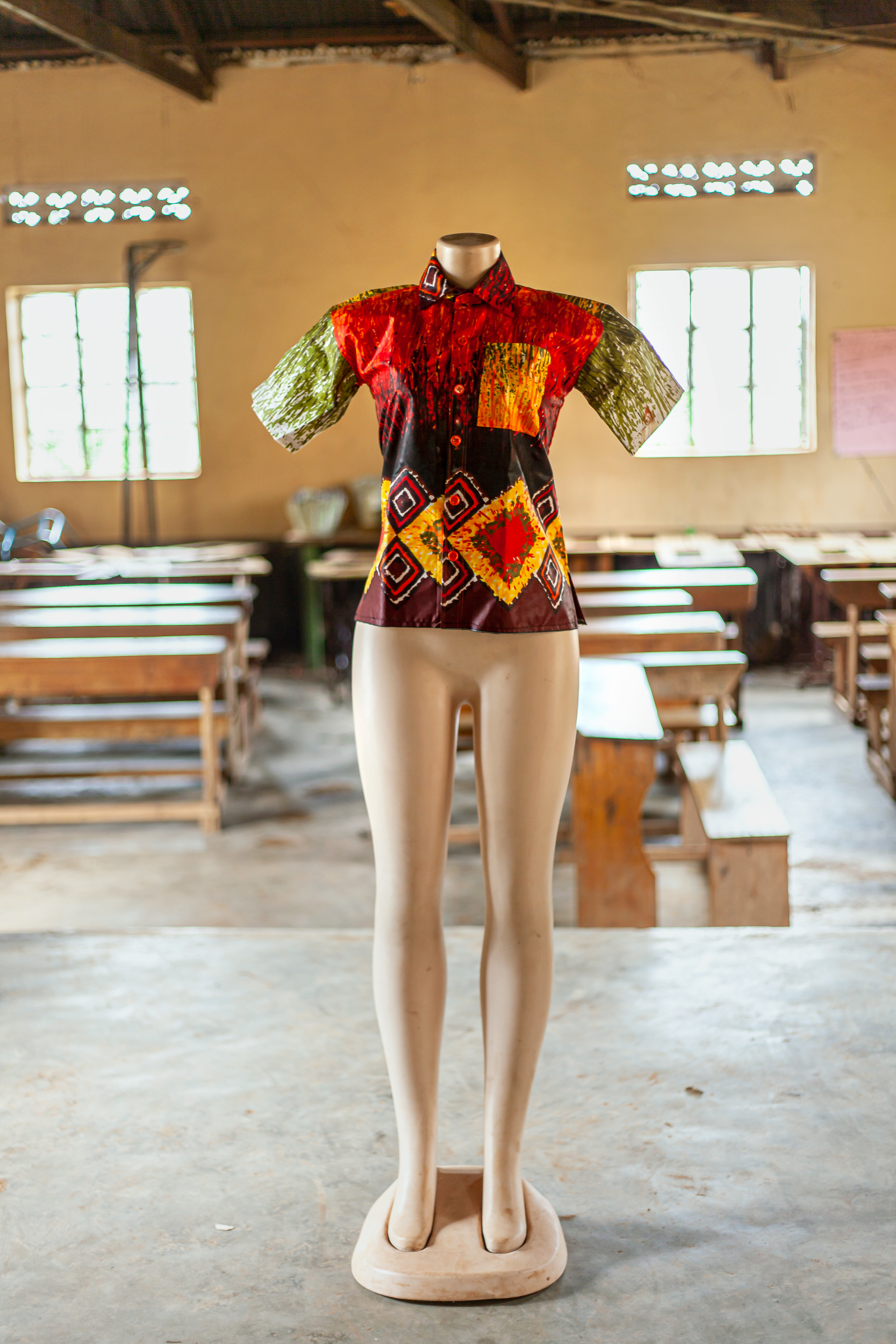
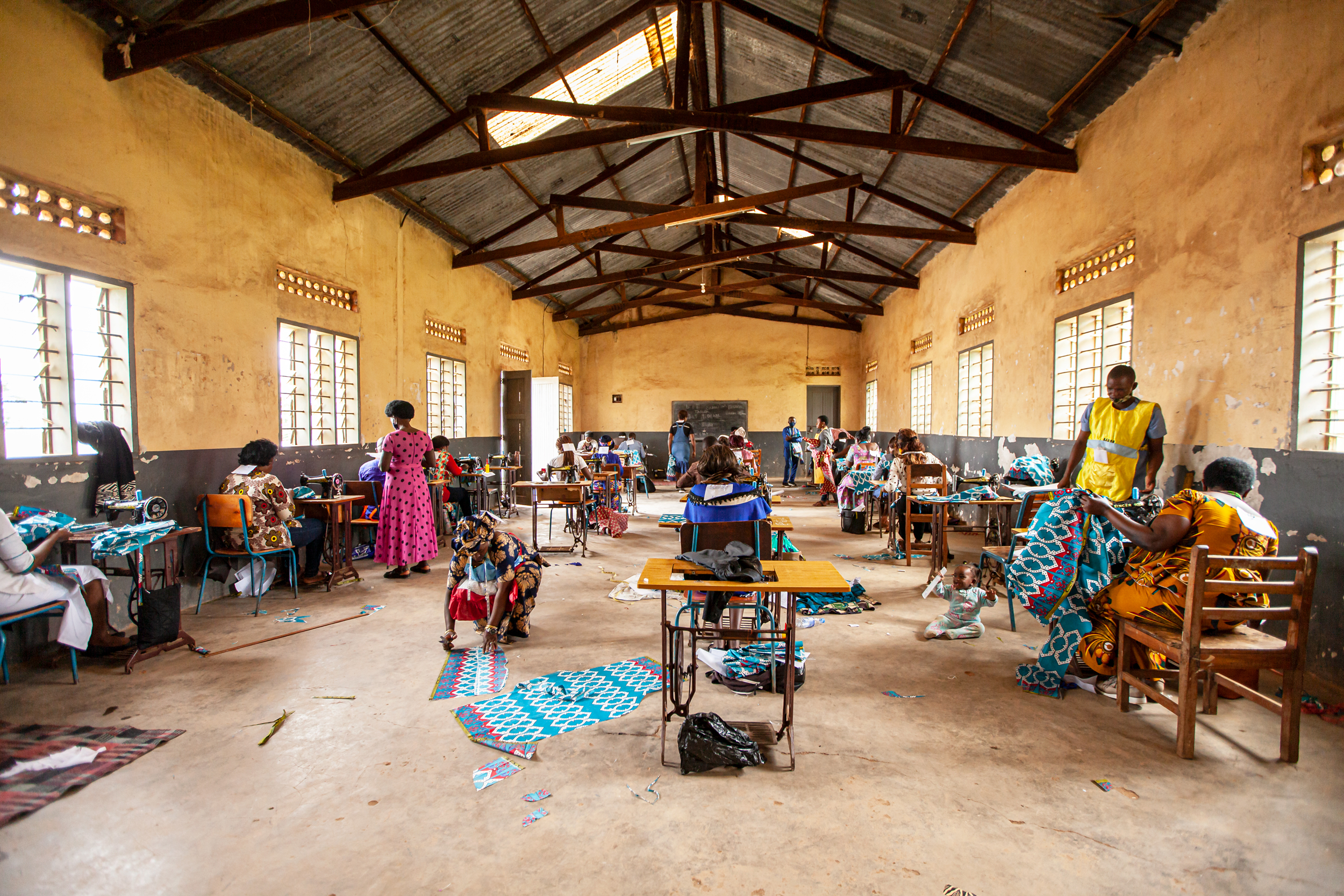
After certification, we randomly selected a group of certified refugees to take part in a one-week internship with local firms. This random assignment allowed us to rigorously compare outcomes between those who received internships and those who did not, giving us a clear picture of the programme’s impact, before scaling up.
![]()
![]() Participants during the hairdressing skills test
Participants during the hairdressing skills test
Phase 3: The Impact


In our results, we found that even a brief, one-week internship could significantly shift employers’ hiring decisions and attitudes. Firms that hosted refugee interns became more than twice as likely to hire refugees in the future, and many reported more positive perceptions of refugee workers.
We also explored whether workplace contact could improve social cohesion. We found that after working together, both refugee and Ugandan employees reduced their explicit biases toward one another. Moreover, both groups became more open to economic collaboration, though in different ways: Ugandan workers expressed greater interest in having refugee business partners, while refugees became more willing to work for Ugandan firms.
We also explored whether workplace contact could improve social cohesion. We found that after working together, both refugee and Ugandan employees reduced their explicit biases toward one another. Moreover, both groups became more open to economic collaboration, though in different ways: Ugandan workers expressed greater interest in having refugee business partners, while refugees became more willing to work for Ugandan firms.
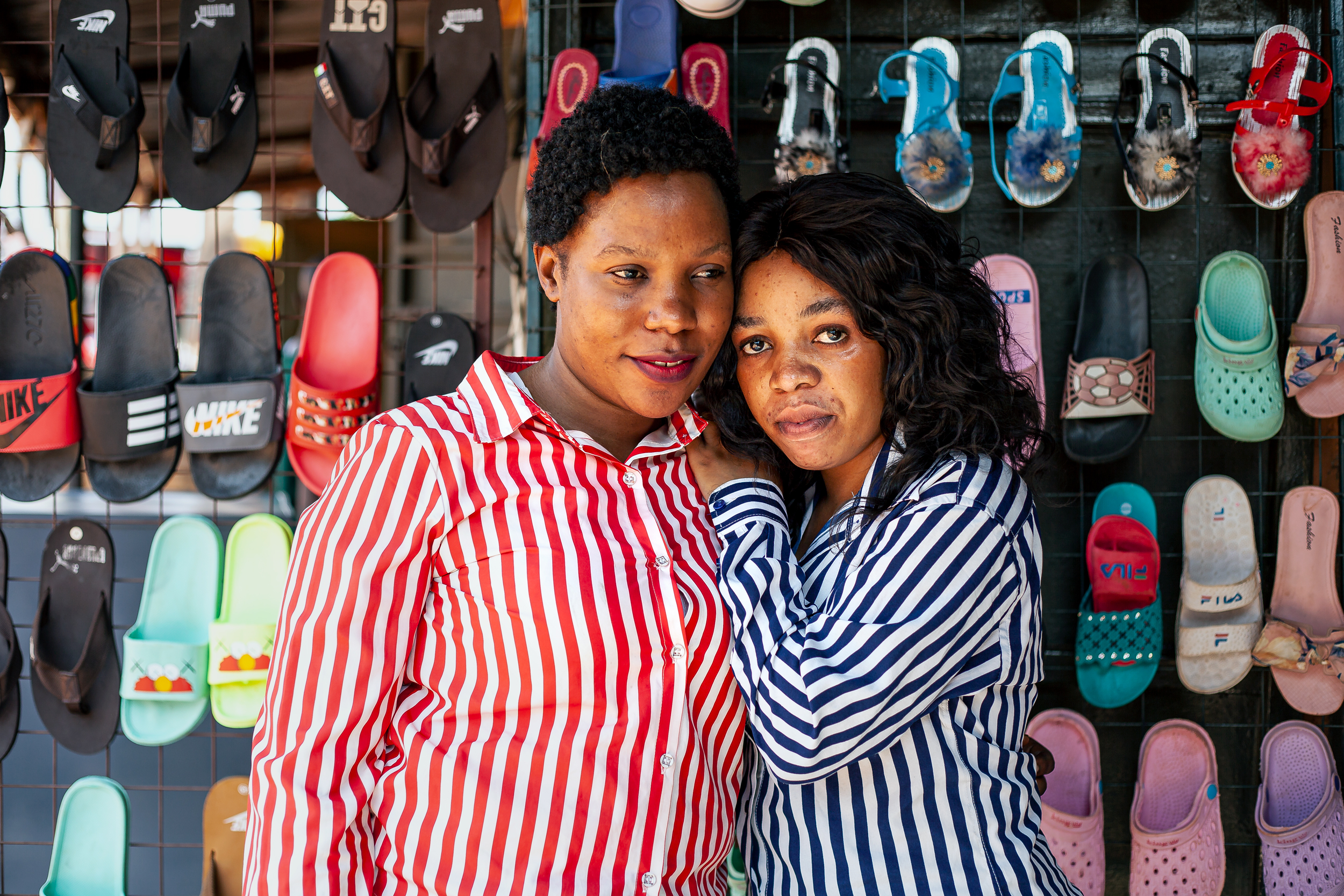
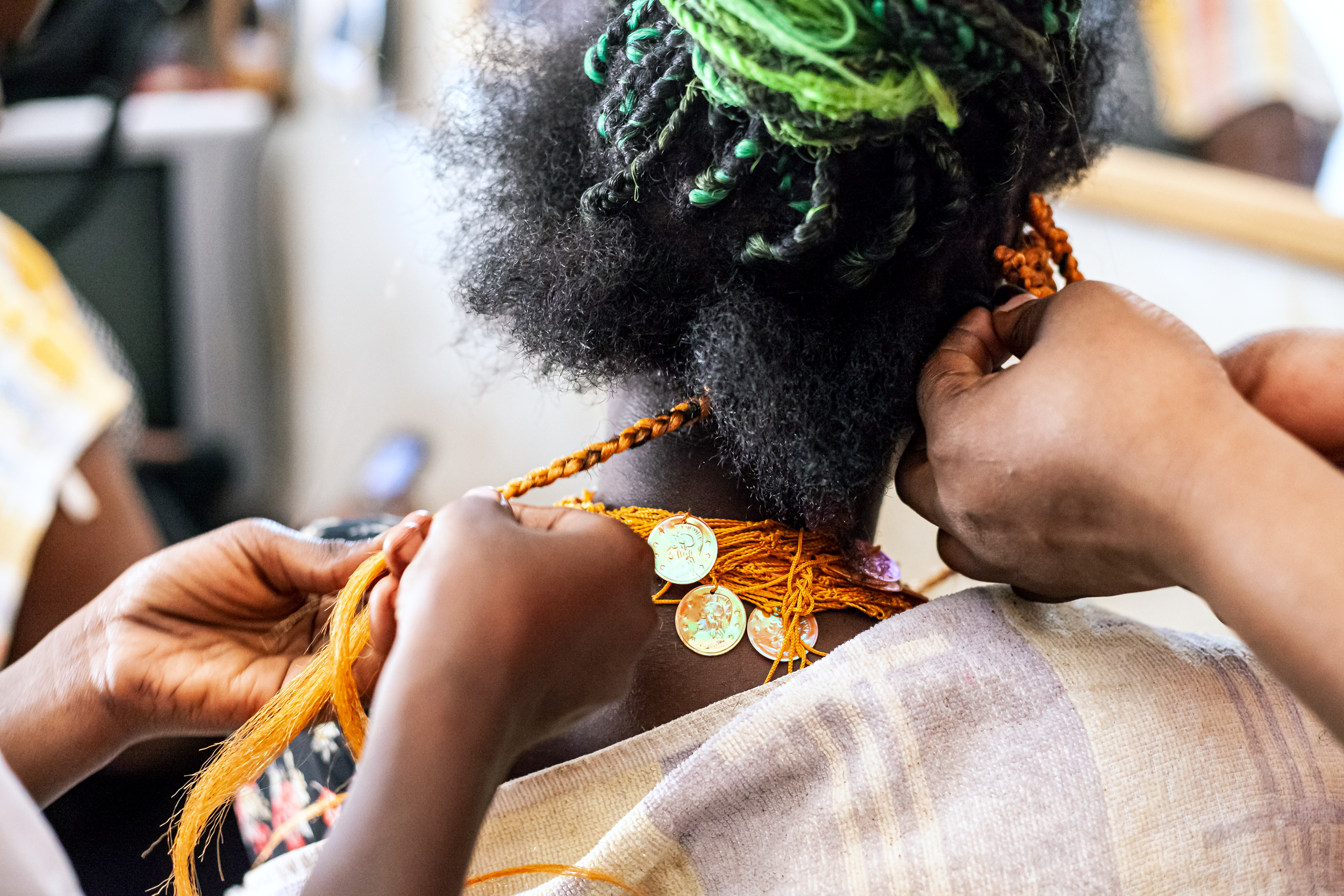
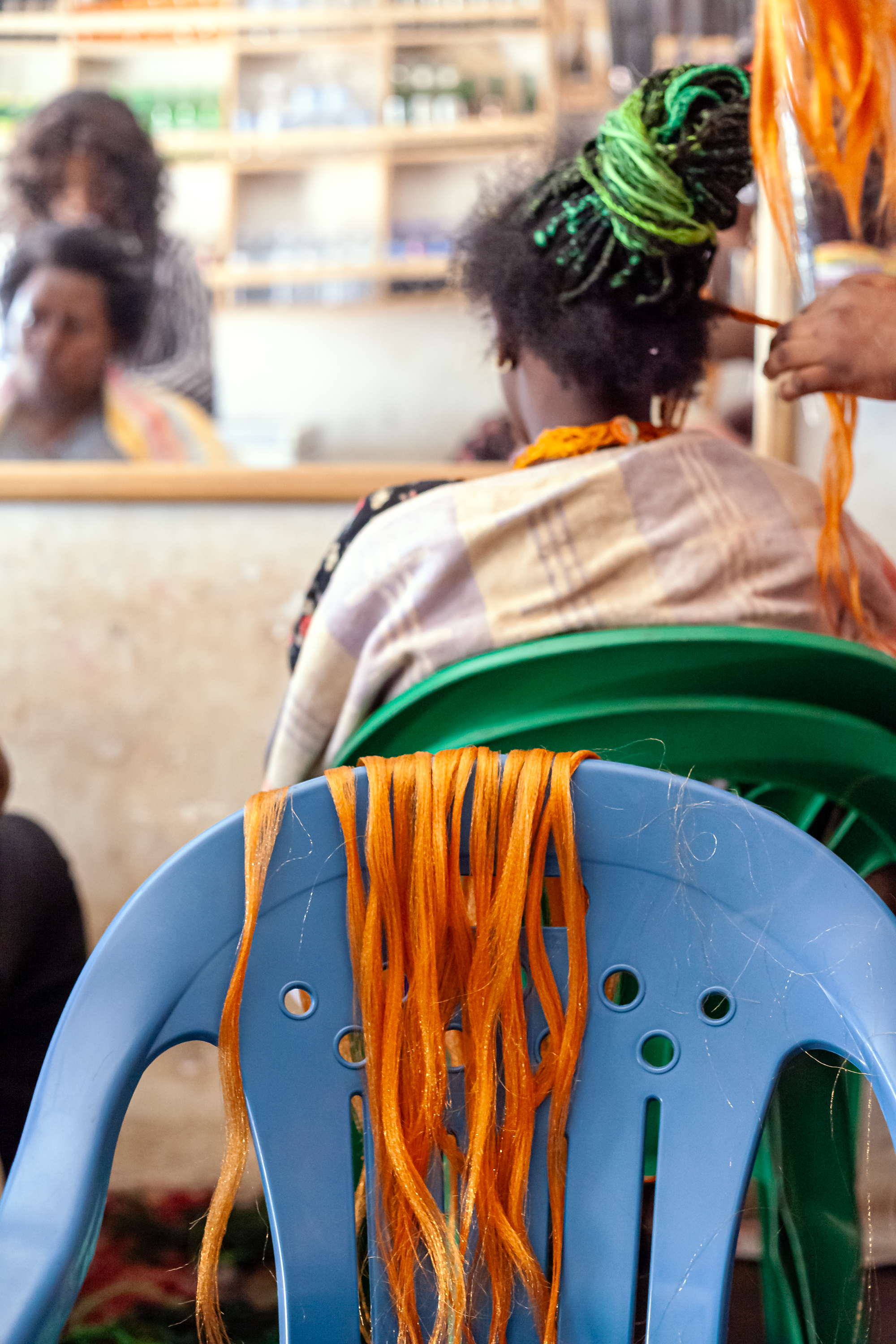
The story highlights one personal story that illustrates the impact of the programme. Sifa, a refugee, was randomly placed at an internship with “Mama Prince,” a hair salon in Kampala owned by Mariam. That short placement turned into a lasting partnership. Sifa continued working at the salon long after the programme ended.
A quiet but powerful example of what becomes possible when barriers are removed and opportunities shared.
A quiet but powerful example of what becomes possible when barriers are removed and opportunities shared.
***
This photo story was shown at Collège de France in Paris, 22-23 June 2023, within the conference: "Science and the Fight against Poverty: How Far Have We Come in 20 Years and What's Next?" hosted by J-PAL Europe.
***
The research project was co-authored with Francesco Loiacono. It was funded by JPAL Jobs Opportunity Initative, IPA’s Peace & Recovery Fund, PEDL, SurveyCTO, the Mannerfelt and the Siamon Foundations. The full papers and authors can be found here.
︎: marijo.silva.vargas

Some behind-the-scenes at Bondeko